Skybadger Observatory
This is the website of Skybadger.net, dedicated to all aspects of Astronomy from the Skybadger observatory : observing, imaging, building instruments and getting results.
This is the website of Skybadger.net, dedicated to all aspects of Astronomy from the Skybadger observatory : observing, imaging, building instruments and getting results.
This page captures the bones of the trip to Tenerife of the BASingstoke Expedition Group or BASEG, expeditionary group of the Basingstoke Astronomical Society. Members of the group arrange trips like this to places in the UK and elsewhere for mobile astronomy from truly dark skies with access to the more southerly extremes of the sky that we don't often or ever see. This is my second time visiting Tenerife and travelling with this group ( see (yet to be written) Tenerife trip 1) with a telescope or two and this takes the form of a diary and summary of the imaging outputs.
We go to Tenerife because its not far away from the UK, has good access by road to locations at the top of the mountain above the bulk of the clouds and is mostly affordable. Use of business flights allows a large luggage allowance, much larger than a normal chartered flight in the form of 32 Kg per case and 2 free cases before charges. Hand luggage is 23Kg as well so there is a lot of scope to take kit both in hand and in the hold. The available accomodation at the top of the mountain is limited; we've tried the Paradores before and now wanted something a bit cheaper and less 4* food oriented. We found some AirBNB accomdation in the form of Fincas - equivalent to farmhouses or rented cottages at the North end of the crater at the peak. This is the end closest to the professional observatories but also where the only tourist restaurants and bar are located.
The flights and accomodation had been arranged from Thursday to Thursday 26th June to 3rd July, which meant that the summer milkyway would be at its heightest at midnight but the night is the shortest for the location, from 9pm to 5am or so for astronomical twilight and the flights leaving at 11:15 UK time would get us to the airport, picking up rentals and driving up the mountain in time for the first evening. On arrival we had the normal trouble getting all our luggage, including outsize from the airport handlers, as well as getting telescopes and tools in hand-baggage through two sets of security. One set of hold luggage from our team had been left behind by the flight from the UK so had to wait on news and make a trip down the mountain the next day to get their bags and get up and running. Thankfully my two hold bags were not held up but one set of spannners were removed from hand luggage, 'just in case i wanted to take any cabin fittings apart' was the exaplanation since they were suitably small and inoffensive. At least these days they will post them on to you for a handling and delivery fee.
Up at 6 for final packing of bits and bobs that couldn't be packed earlier - razor, toothbrush, dobsonian sector arcs (for the new scope ) left out of the bags for some unknown reason. I drove to arrive at my friend Nigel's house at 0815 as agreed, even arrived at Terminal 5 at 0920 as planned. It took going round the place three times looking for the right combination of on ramp/parking to find the meet and greet parking which had its own special problems. I had 2 large checked baggage allowances due to travelling business class but still needed another due to an outsize set of truss tubes - less than a kilo all told but long at 92cm and not for bringing on the plane or packing into checked luggage due to their being a few cm too long to fit. That cost dearly but i wasn't about to miss this opportunity to take a 12" travel scope to Tenerife for visual use.
On arrival at La Reine Sofia airport, we had the usual problems of finding outsize baggage and the relatively common problem for this trip as discovered by this team , of missing or delayed baggage. My complement of equipment consisted of the 12" f/4 low-rider dobsonian for deep visual, of which more later; an Askar 120 refractor with its focal reducer for deep sky narrow field, and a Skywatcher Star Adventurer Mini (SAM) carrying my de-filtered Nikon DSLR attached to an Askar 180mm f/4 lens or a Nikon 28-80 as a multi-purpose wide-field camera with option for use as a finder scope, camera lens or even Quark-attached solar scope. The final component was a pair of 10x42 travel binos for actually doing some widefield visual observing. My planning was all about setting up the scopes to image on automatic and give me some time to do some visual astronomy with both the binos and the dob. The dob had been an urgent project to get ready in time to take way for the trip. Who carries a 12" dob on an airplane ? Well, nowadays I do: see the low-rider page
On arrival at the Finca at Las Canadas at the peak of the mountain in the mid-evening by way of stocking up at the supermarkets for the week since there is nothing up there apart from two restaurants, the first job (prioritise!) was to sort out where we could put the scopes such that we had a clear view of Polaris for polar alignment, failing that, where they could go using three star alignment routines to do polar alignment and still see the regions of the sky we wanted to observe. My intent was deep south mikyway, its summer and we'd travelled south for dark skies so it wasn't going to be wasted.
The Finca itself was entirely solar, so somewhere there was some storage technology providing the mains after daytime hours. The heating was tanked gas and centrally heated throughout: in July that wasnt going to be needed. The small kitchen came pre-stocked and the fridge rapidly filled with vittals while we dibbed over bedrooms. On surveying the site, the side of the Finca provided a long area from which mounts could access the pole but was covered in very soft gravel, making tripod footing uneven and variable. Behind the building on the south side there was a bluff beyond the flat patio area big enough for 3 or even four tripods so we set about moving our kit there once part assembled in the dusk. Key questions were how to fit mains power through the window and up the small hillside, could we use the building's wifi and could we really fit everything on the bluff with the three scopes and mains extensionsw with short leads. The hard work was navigating the very small rough lava gravel path in the dark, and we were finding it hard to bring kit down in the dawn twilight due to the slope and gravel and being tired, resulting in one lucky save from a trip and fall in the morning driving us to move permanently to setting up on the patio.
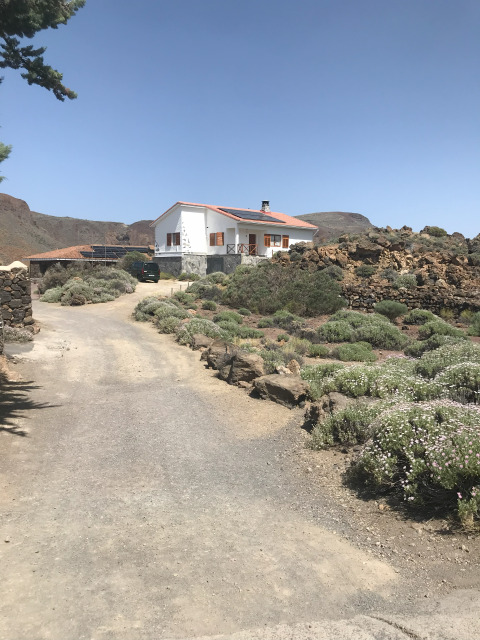
Source: fincaview
Setting up for the first time was the usual jigsaw of cables that had been loomed up and stored complete but there were still some settings awry, such as scope profiles and the creation of a target list which had been left until late on the assumption of getting to the Finca early enough to have time to do that. The startup process of polar aligning, focusing, re-training the auto-focuser, calibrating the auto-guider finally puts you in a position to start an imaging sequence. For visual astronomers this must seem a bit mad but its what it takes to image all night solidly.
Once my larger portarig of Nyx mount, ZWO 071MC camera and Askar120 were up and running under control of Voyager on the local mini-pc, the next step was to setup the wide field SAM rig; polar align, lock it down, replace polar scope with the dslr, remember to focus ( I dont have an auto focus on this - my view is it makes the whole thing larger than the mount itself but that may change depending on my focusing success rate) and see if we can connect to the device wifi for configuration and control from the imaging laptop. The laptop is used mostly to remote into the mini-Pc on the Nyx and to run the SAM console app to configure capture runs on the DSLR. Both of these are possible from the phone but the laptop is just bigger. For once, the wifi part was rather easy, the wifi environment at trips like this gets very congested very quickly - i.e. there are typically lots of devices hosting wifi connections and hogging wifi channels when you turn up with kit to star parties, even when they are not doing anything. For the SAM, that can mean not being able to connect at all due to channel competition and competing signals and that means being unable to start guiding and imaging runs. As a team, we actually went through some of the key devices we could find on the network to detect their unused wi-fi bleats and turned their wifi off where not required, to try to reduce this problem.
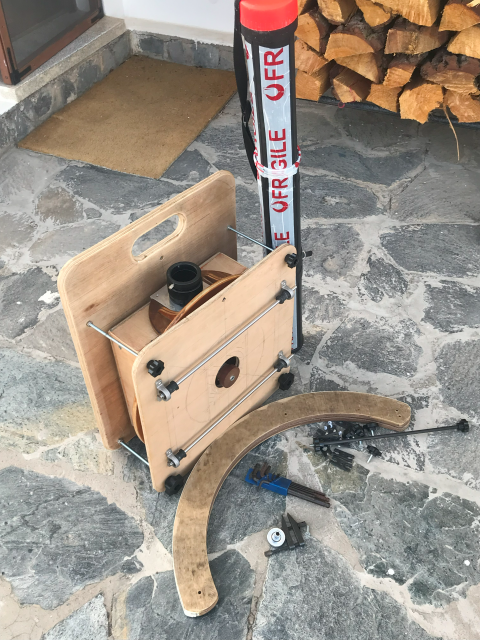
Source: Portable low-rider dobsonian - stowed for flight. consists of sectors which go in checked baggage, truss tubes which are themselves chaecked baggage and the main scope parts which are designed to be the same size as a carry on bag. Havent tried that directly yet though. It went in a bag!.
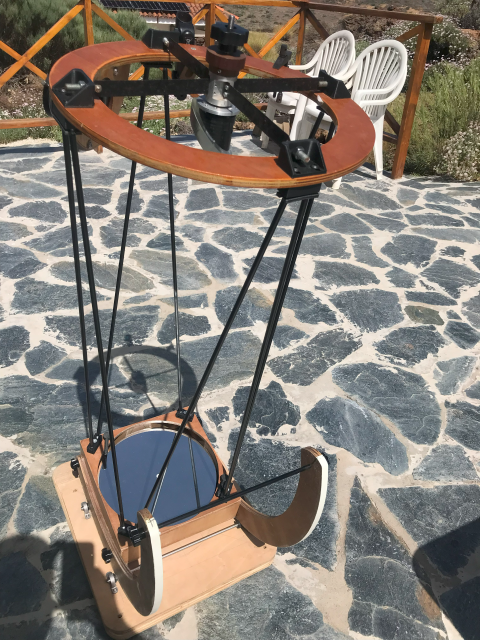
Source: Portable low-rider dobsonian - stowed for flight. consists of sectors which go in checked baggage, truss tubes which are themselves chaecked baggage and the main scope parts which are designed to be the same size as a carry on bag. Havent tried that directly yet though. It went in a bag!.
Getting this setup complete in a rush to beat the dark resulted in taking an hour of data on Rho Sco using the DSLR and Askar 180mm lens in confusion with Rho Oph, so a nice starfield was gained but not the spectacular target I was looking for. However it did shake things down and get systems working and the next steps were only up. The end result of all this flurry of effort after arrival is finally reclining under the stars with a beer, the DSLR clicking away and the CCD fan on the portarig blowing gently. The sky is simply glorious - bright nebulae clouds and deep dark lanes of the milky way, all the way down to the horizon confuse the eye and make it look like its really cloudy before you take that second glance, the clouds are that bright and clear that sometimes I confuse them for real ones and wish they'd go away. Because of the seasonal timing, I get to see the Milky Way rising from laying down in the East in the early evening to lying down in the West in early dawn, pivoting in Centaurus in the South which barely rises even at 28 degrees N. The centre of the Mikly Way is 30 degrees or so high from here and I can see all of the gorgeousness that is Scorpio, the Ophiuchus clouds and and Corona Australis. Due to the position on the bluff, one thing we hadnt counted on is that the lights from cars driving down the road towards Las Canadas even from far away are directly visible and even pointed at us. Even here we can't get away from the varying lights of the restaurant across the road which changed day by day and even here, the nigth was not pitch black. Another reason to move back to the patio on subsequent nights and a longer ambition for real coal-mine dark night locations.

Source: Portarig - hiding in the lounge during daytime.
Im using a laptop to hotspot into the on-board pc that is running the imaging sequence on the portarig CCD and the problem here is that even that simply frags your night vision, even when set to its lowest brightness setting. Using a faint red light to see the key board and turning down the screen brightness partially solves this but being a lightweight traveller ( I try.. ) this is the only star atlas I have to use to navigate my way between features for visual navigation. I don't care when imaging auto-solved targets otherwise. That night I took image sequences of Rho Sco, followed by moving to AlpSco complex. That resulted in a set of images that were still pointing North of where i wanted, centered on Rho Sco. During this night the widefield rig took sequences of Scorpio vertically, for which the drive didn't operate, and also widefield Sagittarius followed by narrowfield Sagittarius using the native Nikon zoom lens at 180mm and 80mm focal lengths.
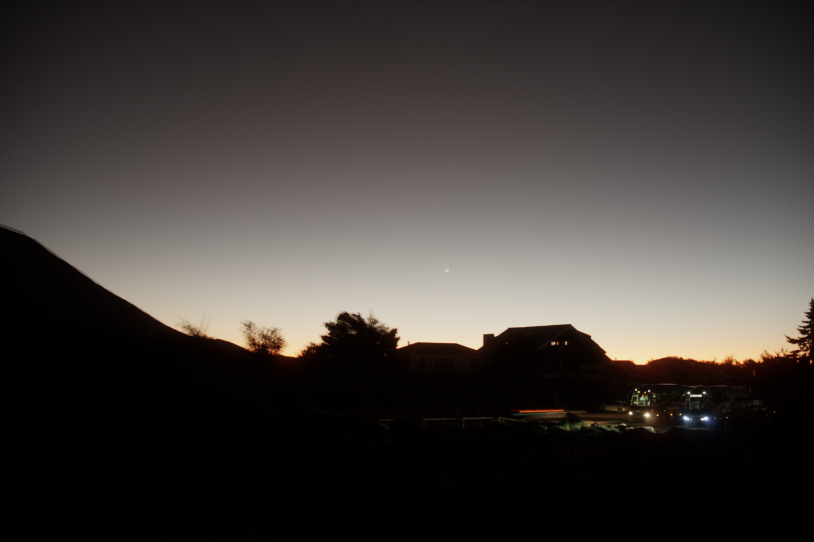
Source: 2025Jun26_01_RGB Target: Post sunset the first day - the fine crescent moon was showing and would increase over the week but for now was just pretty. Image centre RA: DEC: Camera: Focal Length: Exposure:

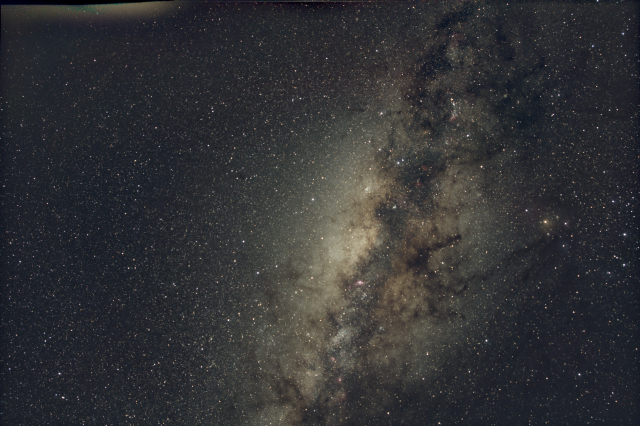
Source: 2025Jun26_02_RGB Target: Image centre RA: DEC: Camera: Focal Length: Exposure:

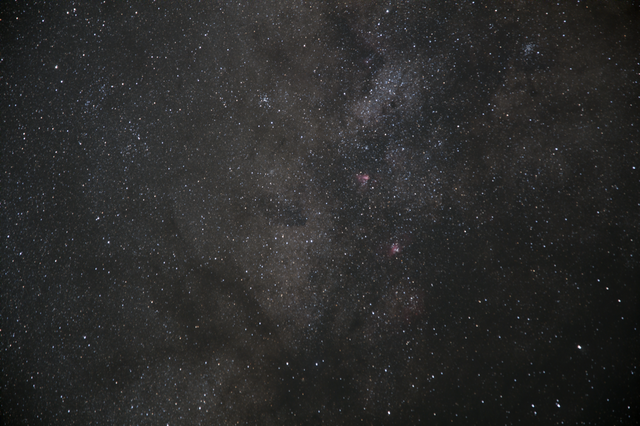
Source: 2025Jun26_03_RGB Target: Image centre RA: DEC: Camera: Focal Length: Exposure:
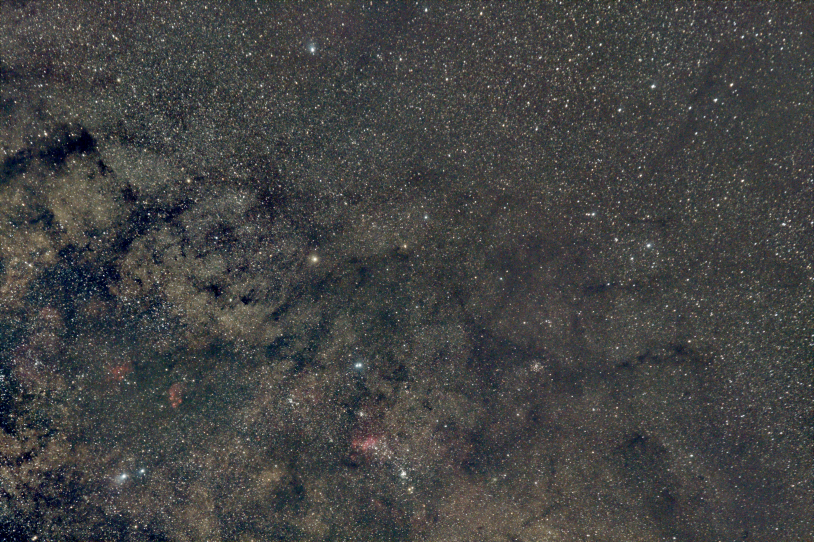
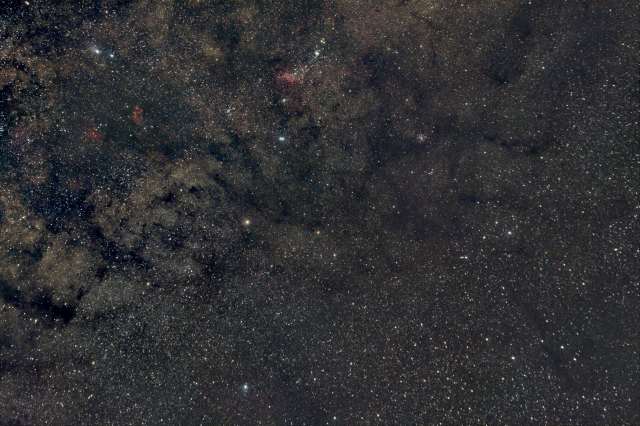
Source: 2025Jun27_01_RGB Target: Image centre RA: DEC: Camera: Focal Length: Exposure:
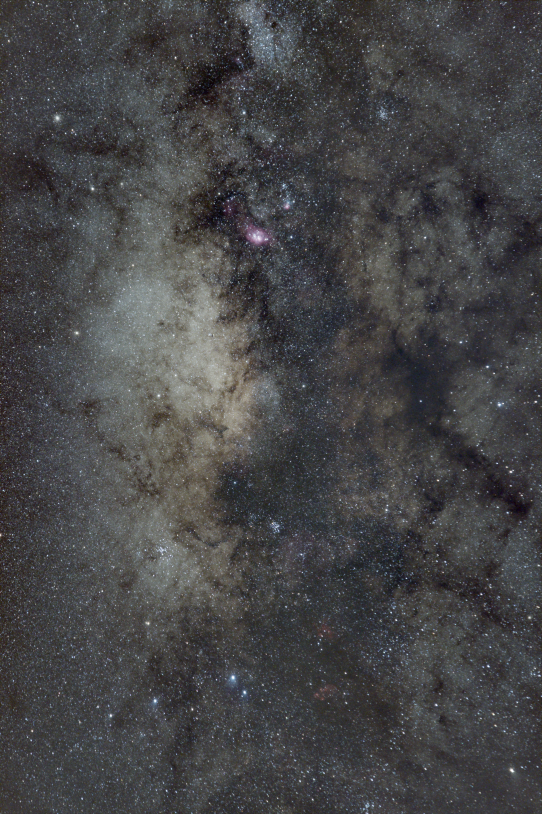
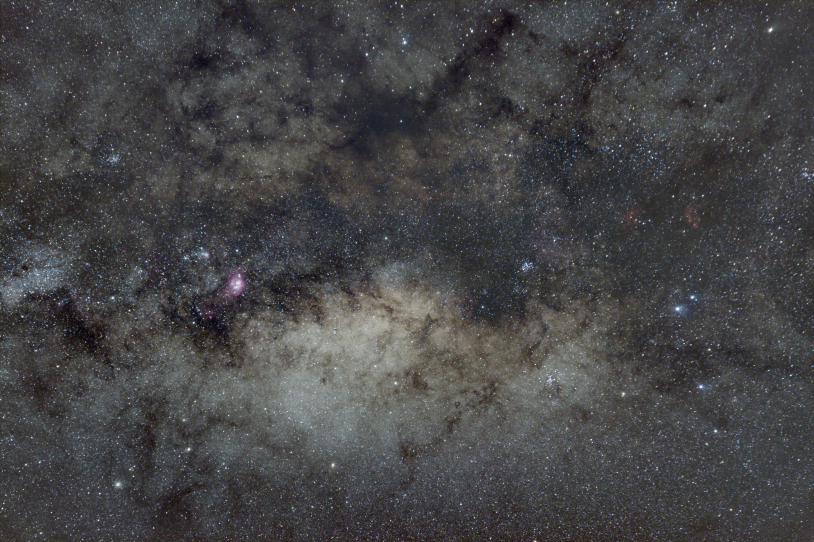
Source: 2025Jun27_02_RGB Target: Image centre RA: DEC: Camera: Focal Length: Exposure:
Source: 2025Jun27_03_RGB Target: Image centre RA: DEC: Camera: Focal Length: Exposure:


Source: 2025Jun27_04_RGB Target: Image centre RA: DEC: Camera: Focal Length: Exposure:

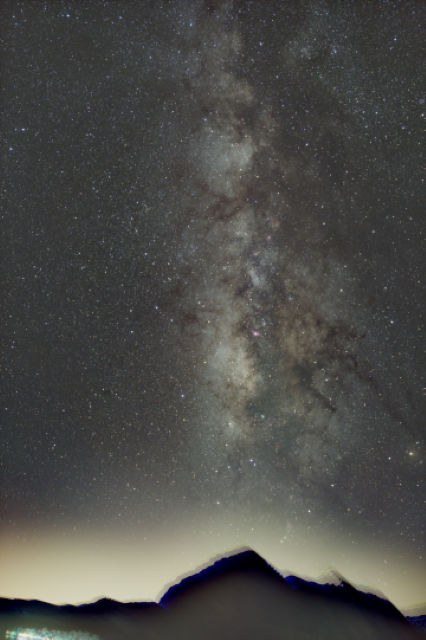
Source: 2025Jun27_5_RGB Target: Milky way centre rising over the fateful rocky knoll where we went up with three telescopes and one of us came tumbling down just barely saving the precious hardware. Image centre RA: DEC: Camera: Nikon D5000 + HA extension DSLR on SAM/tripod Focal Length: 80mm Exposure:
Bearing in mind the heat of the pristine daytime skies and the low humidity of the air, an immediate problem became obvious on the second evening of imaging. Every motion we made generated static and those sparks were earthing everywhere. I earthed into the table on the patio, into the ground, into the tripod, the laptop and eventually the mount. Just after I had it polar-aligned and ready to go it got zapped from my latest touch and the mount claimed it had run into hard mount limits and stopped moving, no slewing, no nothing. So the rest of the night was spent nursing the widefield rig and researching whether this problem had happened before to anyone elese and waht potential solutions might be. I was looking at spending the rest of the trip just in wide field and visual if I couldnt get the Nyx mount responding and operational again. We had many helpful ideas within the trip team and could see that it had happened to others - there must be a solution and it must be documented somwehere.

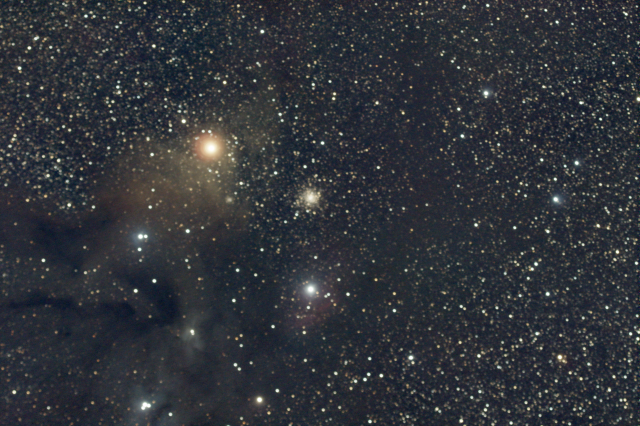
Source: 2025Jun28_06_RGB Target: Image centre RA: DEC: Camera: Nikon D5000 + HA Mod Focal Length: 80mm f/4 Exposure: Stack of 300s x 20 with darks, bias and flats.

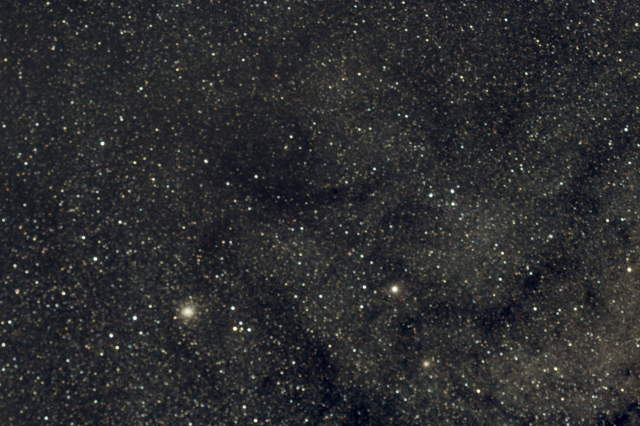
Source: 2025Jun28_07_RGB Target: Alp Scorpio Image centre RA: DEC: Camera: Nikon D5000 + HA Mod Focal Length: 80mm f/4 Exposure: 300s

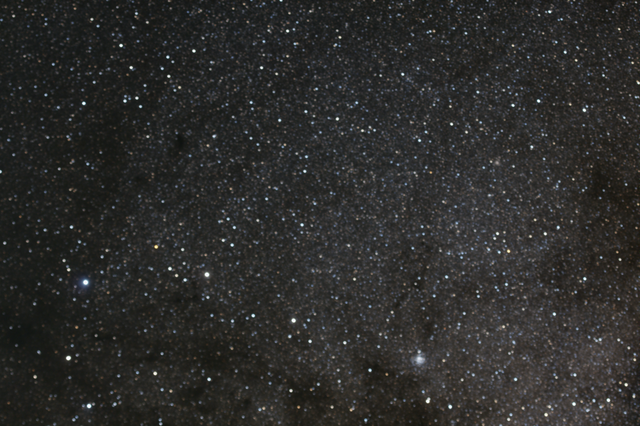
Source: 2025Jun28_08_RGB Target: Image centre RA: DEC: Camera: Focal Length: Exposure:
By the evening of Sunday 29th I had spent lots of time sending support emails and searching facebook and had made contact with Pegasus support, even on a Sunday, to help diagnose and hopefully fix the issue. Having spent all the afternoon acquiring flats and darks while waiting for emails from Pegasus to take up the challenge of getting the Nyx mount working, eventually Angelos came back via email and due to the challenge of getting personal email working on a borrowed iphone for an Android user and getting images from the phone into the email and sent to the support box, eventually we arranged a call on Whatsapp and we could have a proper conversation. What eventually transpired was that the first generation pcbs in the mount head are susceptible to ESD shocks and that seems to be what had happened here in that the limit condition had been applied even though the mount was in the park position and oriented perfectly safely. After opening the mount and disengaging the limit switches from the pcb, I still had to send a custom command to disable the limit processing routines on a per-boot basis.
After that the mount worked well. Phew. And a mighty thanks to Angelos from Pegasus support, supporting from Greece, in English, on a Sunday! Since I had moved the mount to a location on the patio that couldn't see the pole star for alignment, I now depended on the NINA three point polar alignment process to help align the system on the celestial pole using plate solving. Fortunately that worked well. The newly-learned process got me to within a claimed 15" of the pole and I did that twice to confirm and contrast. Once aligned, moving back to Voyager meant I could simply engage the Voyager Robotarget sequencer ( equivalent of Advanced Sequencer for Nina ) and the list of targets I had previously prioritised and then Voyager went straight to it. Looking at the guide graph traces there's no obvious trace of polar misalignment shown through some level of a constant dec offset being adjusted for. In fact the key problem overnight was when we made a visit to our trip colleagues on the other side of the road and during that visit the guiding failed as it is occasionally wont to do, when a new exposure couldnt be made due a previously failed guide camera reading and the process just gets stuck. After an hour of that endless cycle, when I returned and saw the problem, I cleared the config, restarted the camera and the guiding process could continue.
Through the night we popped inside when it got cold and it dropped as low as 8C from the days high of 35C or so in direct sun and 28C in the shade but the sky was clear after the previous days Kalima wind spread endless dust and turned photos red for at least one night. We fell into a process of staying up all night with tea towards midnight once imaging was safely started, with visual during the wee hours and then finally packing in when the sky started to lighten about 4.30 and the temperature was getting down to our toes.
That nights visual exercise was exploring Cygnus in dark skies, tracking down small NGCs on that path using the 8x42 binos. This turned into learning where the supernova remnant in Cygnus was near 52 Cyg and inspecting NGC6888 'the Crescent' visually through binoculars. For the remnant of the night I took the time during monitoring the scope progress to re-learn the sky through Aquila, Sagitta and into the depth of Sagittarius and Scorpio. But what of the 12" That scope i had rushed the last assembly steps, the wood was varnished to prepare it but otherwise the truss lengths were only calculated based on the assumed focal length and the balance had not been tested at all. What ranspired was that with the eyepieces I had brought with me, a 25mm plossl, a variable 8-24 zoom and a 20mm Lunt 2" 100Degree field, focus lay just inside focus by 10mm or so but did reach a good balance, so i needed to take 10mm or so off the truss lengths. Fortunately, I had planned for this eventuality and brought pliers and saw, glue and brawn to make the changes required. Sadly I had forgotten to bring a levelling foot, one of the three, so the base board had to sit on the ground but that largely worked out OK on the patio.
It was a cold night overnight with degree of wind. We closed up at 4.30 to 5 due to the cold and the sky starting to lighten. We could have left the scopes out under wraps but they are a bit exposed to view and sheer heat on the patio and we didn't feel up to leaving them out like that, so each day they came back inside into the lounge so we could run them as required to test out acquisition and any other problems.
During the day we spent it getting our image processing chores in order; I invested some time looking at Seti Skies procesing toools - specifically the calibration tools in prep for pushing a lot of DSLR data through the system so I needed master darks, bias and flats. In the early evening we arranged the scopes to get the best view over the low rock rise to our immediate south and moved the 12" dob into position as standby tool for use during the night for visual observing.
The target for tonight is the completion of Omega Centauri, completion of Centaurus A and a good attempt at the Rho Ophiuchus star cloud followed by M8 and M22 completion while we have the last of the good weather before the Kalima returns. The visual aspect by the 12" showed how good the low-rider approach to a dob makes it so easy to use - I could sit down in a chair while guiding the scope but the low-rider aspect also unfolded in a less useful way - the very low mode of use meant it struggled to see low targets since it was so low to the ground. In this case it was Centaurus A and Omega centuari I struggled with, having to find gaps in the rocky horizon to see these objects with this scope, even though they stood out in the binos.

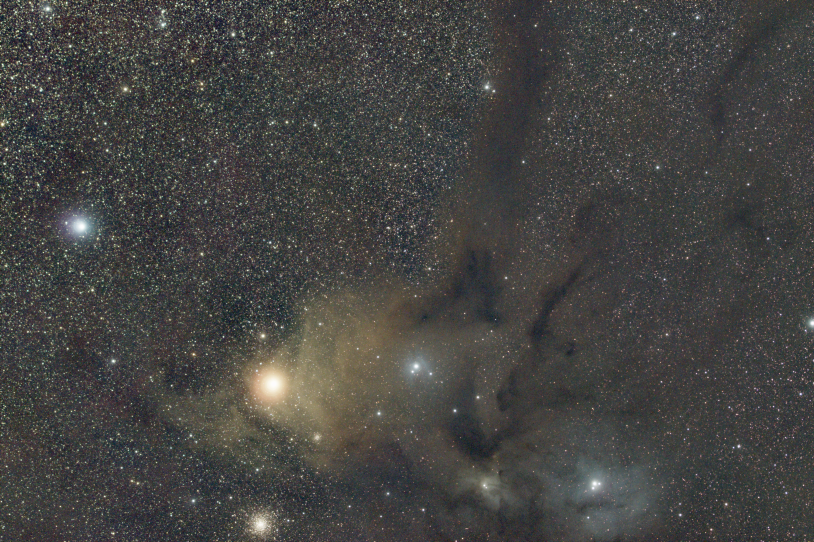
Source: 2025Jun30_1_RGB Target: Image centre RA: DEC: Camera: Focal Length: Exposure:

Source: 2025Jun30_2_RGB Target: Image centre RA: DEC: Camera: Focal Length: Exposure:
Excellent evening from 9pm onwards with 4 day old moon disappearng towards the horizon while I tried to complete catch up on lost time with sequences on Centaurus A and Omega Centauri. I considered use of the tri-band filter but ignored it eventually while ran the DSLR fitted with Askar 180mm piggy backed the back of the Askar120 main scope and just let rip with 2 min exposures at ISO1250. I focused the rig at the start of night. Would like to automate eventually.
Observed using 12" after midnight, included learning Aquarius, Capricorn, Microscopium, Indus and Grus while the main scope got on with imaging. I also used the small bins to find M33 and M31 against the dark sky, used the dob to review in a big scope. M33 was obvious in smalll binos but a bit flying saucerish with small central condensation and wide but flat visual disk in the dob. The dob wouldn't collimate to allow higher powers leading to coma and low quality on axis images. The Baader MP Coma Corrector I had brought with me reduced that somewhat but didn't remove it.
The Kalima returned and the first 1/4 moon was high so spent the night at DSW/Lawrence/Mark's Finca with a glass of wine and the occasional look through We packed in about 1030 when mozzies and cold signalled time to return to home Finca and set back to imaging again,
Up at 6 am due to a phone call from BT which I had to to blow off to the next week Woke up again at 8 due to Lawrence returning binoculars I'd left behind at the other finca. Woke up finally at 9am due to Nigel being up and about and packing. Washed up, breakfasted on muesli and yoghurt. Cleaned up and out at 10 for a coffee at the restaurant opposite while the rest of the team were being shown arpound other properties by the landlady of the other Finca. Conclusion was that the high price of even ramshackle properties was due to the ability of the National Park to get first dibs on any houe sales so prices were set artificially high and therefore never sold. A Lot of rentals are actually available but not on AIRBNB. Rates of 175/day promisd by landlandy for the building who also pointed out that even our Finca was currently for sale and that the spring season was largely occupied by cyclists and the summer season of June to September isn't used by antbody. She was also surprised to hear about our day structure of observing at night and sleeping by day while also couldnt understand us not using the heating! Our two-car convoy then drifted down the mountain to meet up in Adeje for lunch before moving onto the airport. Dropped truss poles onto outsize once hold luggage was safely committed and then lounged in faint hope they would get home.
The images above are the widefield images taken with the DSLR on the Star Adventurer Mini unguided but polar-aligned mount.
This camera doesn't have autofocus so is setup at the start of the night and re-focused wheenver I remember to.
The lens used is a Nikon 24-80 mm zoom and an Askar FMA180mm f/4 apo lens which seems a bit sharper when correctly focused.
the camera is set to ISO 1250 on Manual/bulb mode and controlled via the SNAP lead from SAM usnit which is itself setup using the SAM consoloe app on my Wifi-connected phone or laptop.
The ones below are the narrow-field images taken with the ASKAR120mm refractor on the Nyx101 guided equatorial mount setup with the 0.8x focal reducer.
The mount and cameras were controlled by a Meles Quieter 3c mini-pc running Voyager and the Robostar automatic target sequencer over the top of
Cartes de Ciel as planetarium, Phd2 auto-guiding through the Lodestar and off-axis guider and ASTAP for plate-solving.
The camera used was an APS-C format ASI071MC camera with an offset of 60 and gain set to max dynamic. The cooling temperature was set to -10C and the whole thng was run off the mains.
Both image sets are presented in the largest and medium versions, accessed by clicking the respective links.
Each image is currently only stacked and calibrated, background substracted and stretched for initial inspection - the long job is to process them to emphasize the colour, reduce the stars, get rid of gradients etc.
The tooling used is Sirilic for the calibration which feeds Siril in the background to do the real legwork.
Post processing to final is/will be SetiAstro, StarNet and Affinity along the lines of the process diagram below.
More to come - Omega Centauri. - M17
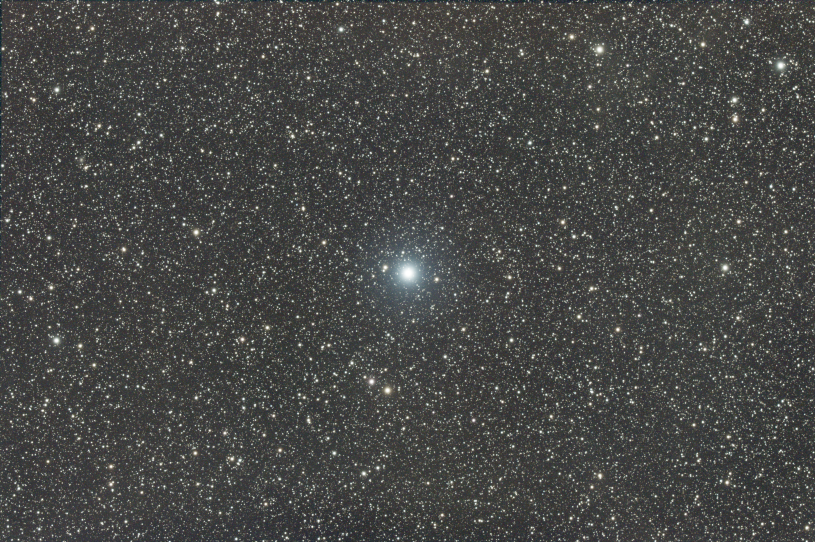
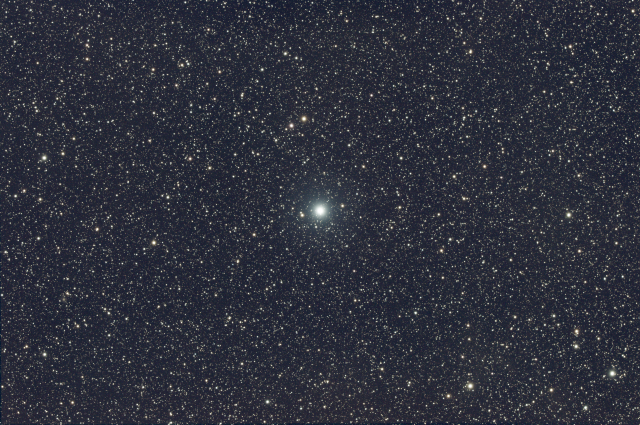
Source: 2025 Rho Scorpii Target: Rho Scorpii Image centre RA: DEC: Camera: ASI 071MC on Askar 120 Focal Length: 668mm Exposure: stack of 300s x 20 with darks, bias flats.
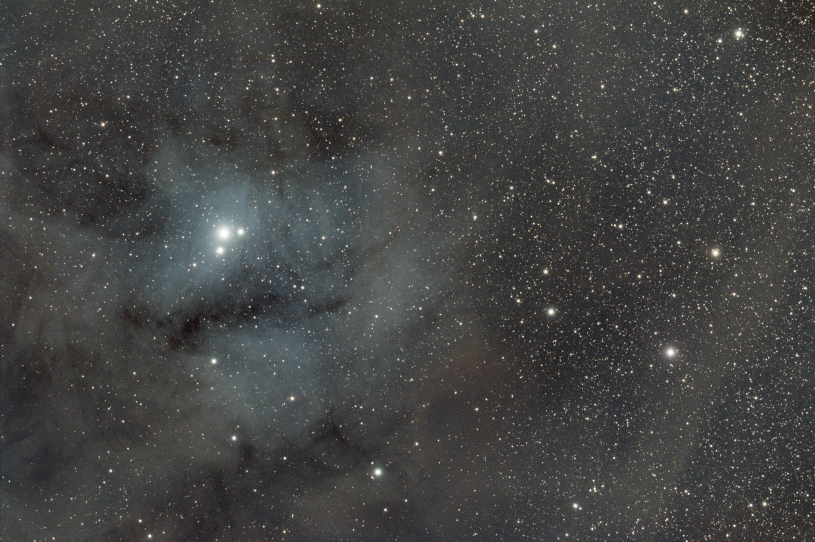
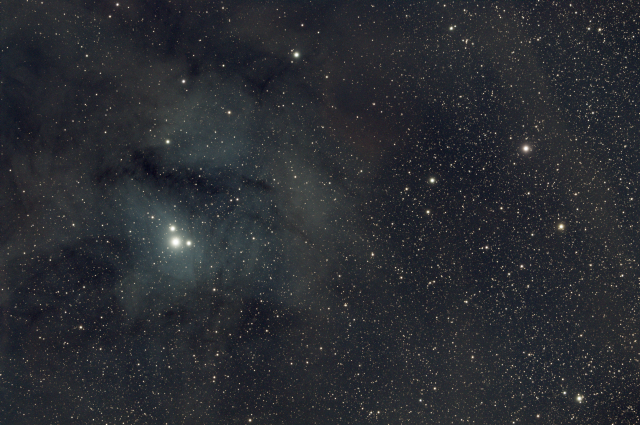
Source: Alpsco1 Target: Alpha Scorpii Image centre RA: DEC: Camera: ASI 071MC on Askar 120 Focal Length: 668mm Exposure: stack of 300s x 20 with darks, bias flats.
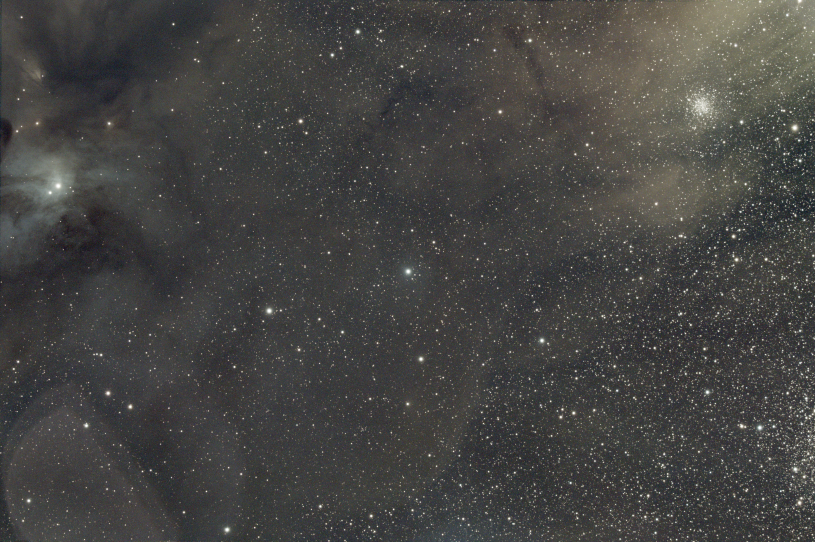
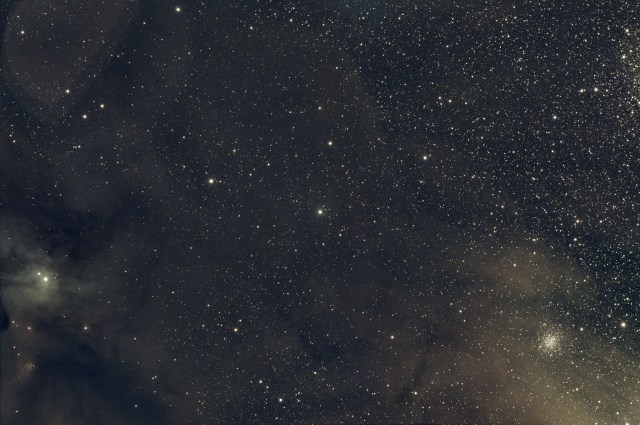
Source: Alpsco2 Target: Alpha Scorpii Image centre RA: DEC: Camera: ASI 071MC on Askar 120 Focal Length: 668mm Exposure: stack of 300s x 20 with darks, bias flats.

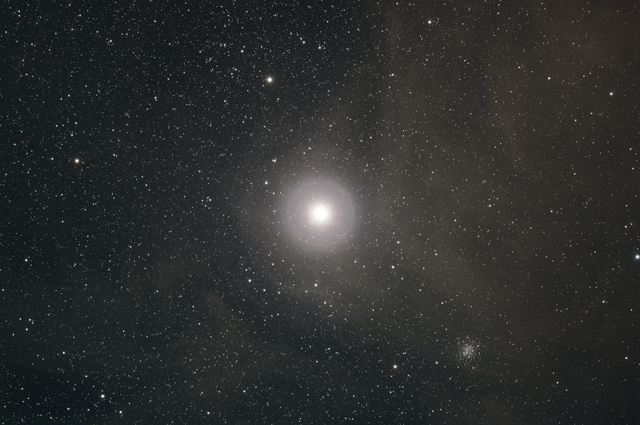
Source: Alpsco3 Target: Alpha Scorpii Image centre RA: DEC: Camera: ASI 071MC on Askar 120 Focal Length: 668mm Exposure: stack of 300s x 20 with darks, bias flats.
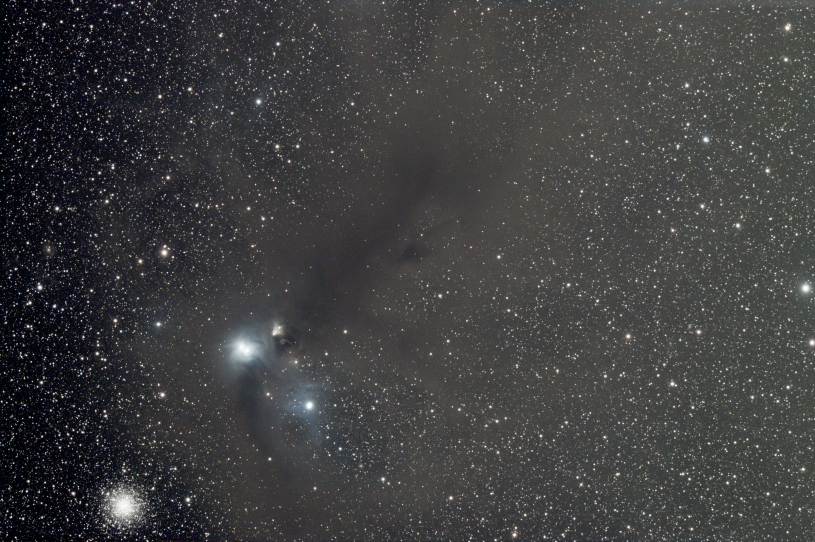
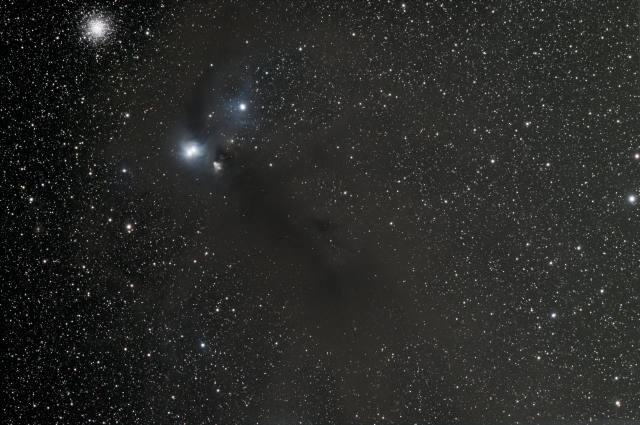
Source: Alpcraneb Target: Alpha Corona Australis Image centre RA: DEC: Camera: ASI 071MC on Askar 120 Focal Length: 668mm Exposure: stack of 300s x 20 with darks, bias flats.
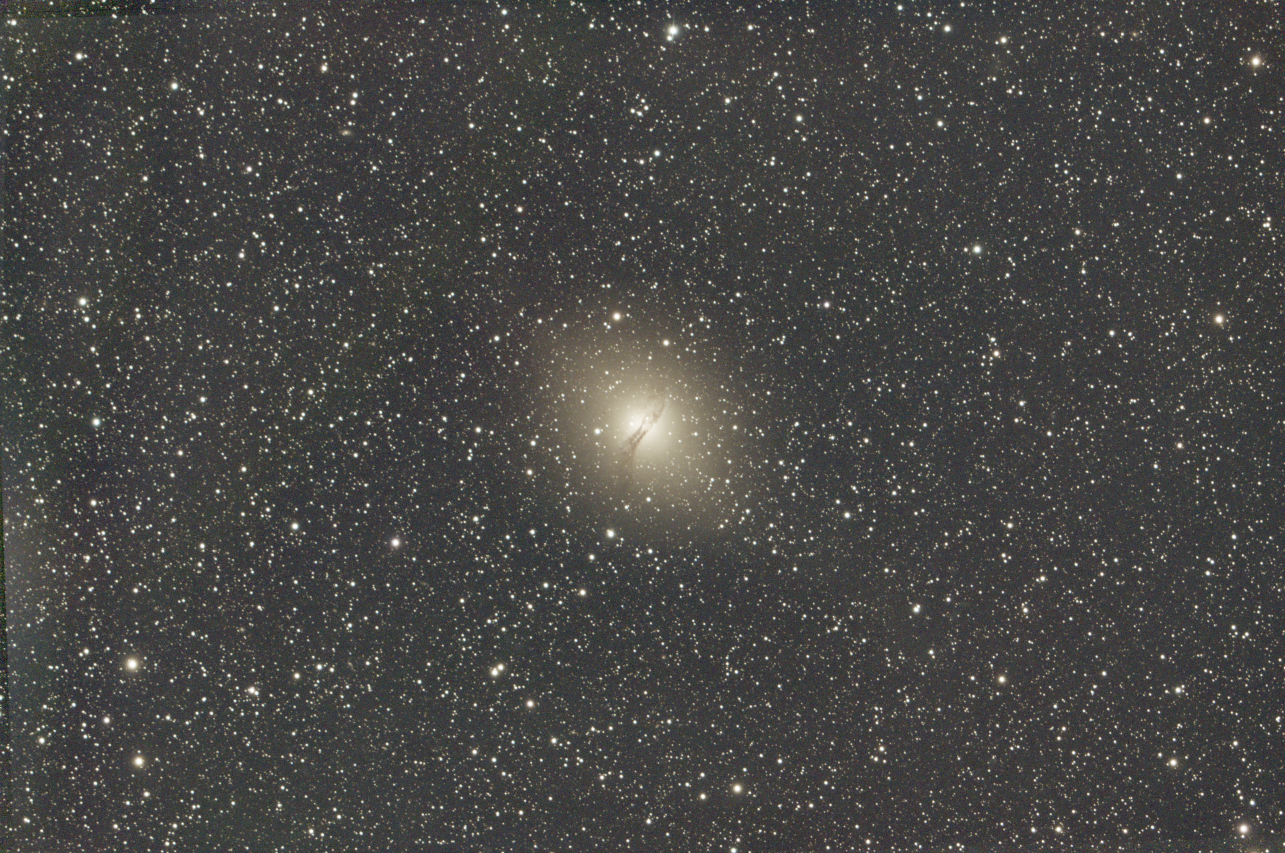
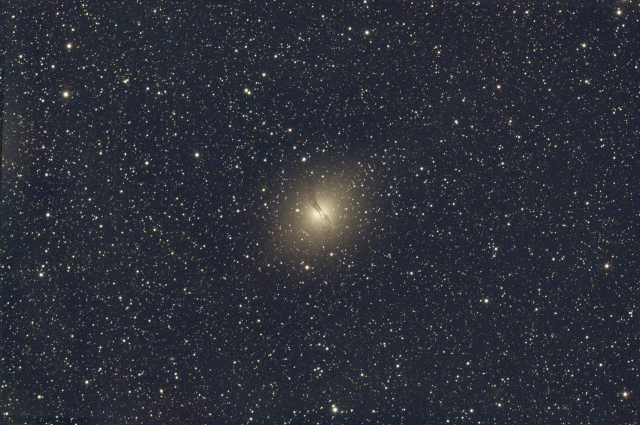
Source: CentA Target: Centaurus A eccentric elliptical galaxy Image centre RA: DEC: Camera: ASI 071MC on Askar 120 Focal Length: 668mm Exposure: stack of 300s x 20 with darks, bias flats.

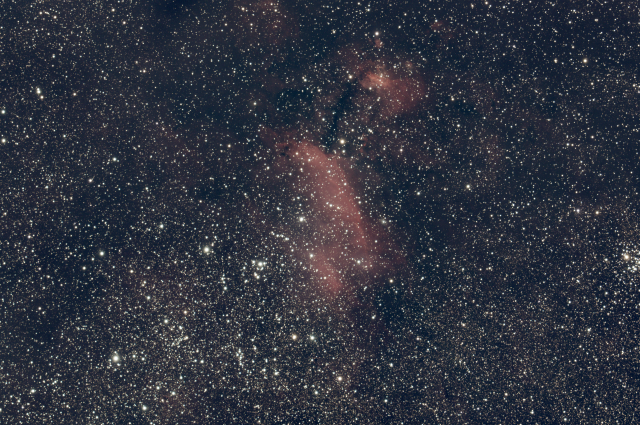
Source: IC4628 Target: Sagittarius cloud nebula IC4628 Image centre RA: DEC: Camera: ASI 071MC on Askar 120 Focal Length: 668mm Exposure: stack of 300s x 20 with darks, bias flats.

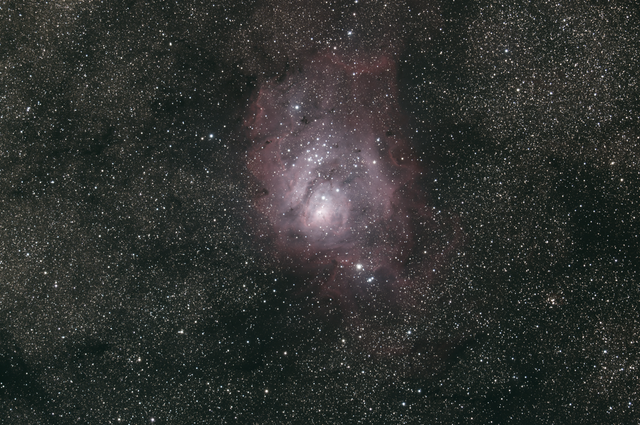
Source: M8 Target: Sagittarius M8 Lagoon Nebula Image centre RA: DEC: Camera: ASI 071MC on Askar 120 Focal Length: 668mm Exposure: stack of 300s x 20 with darks, bias flats.
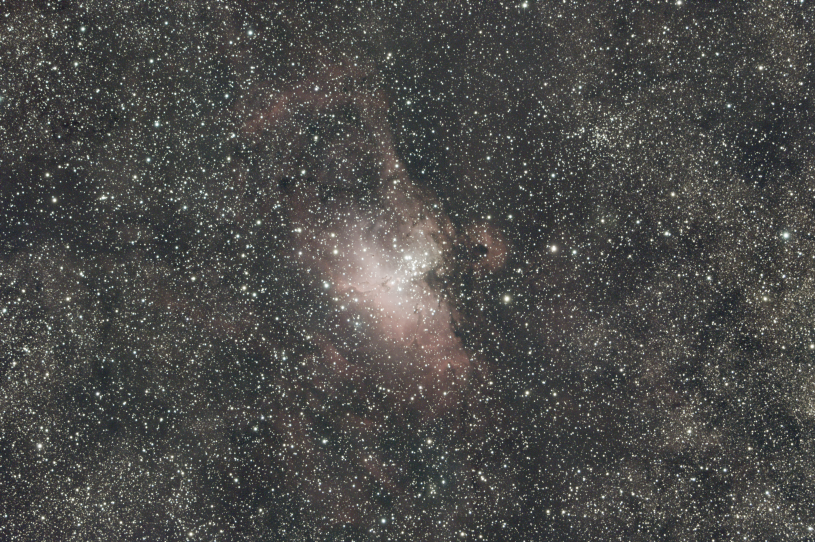
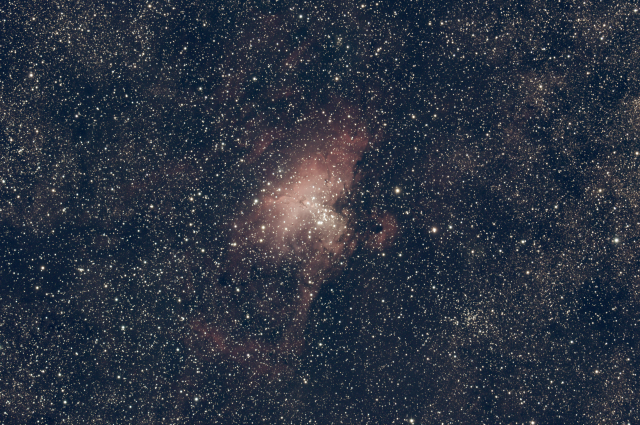
Source: M16 Target: Sagittarius cloud nebula M16 Image centre RA: DEC: Camera: ASI 071MC on Askar 120 Focal Length: 668mm Exposure: stack of 300s x 20 with darks, bias flats.

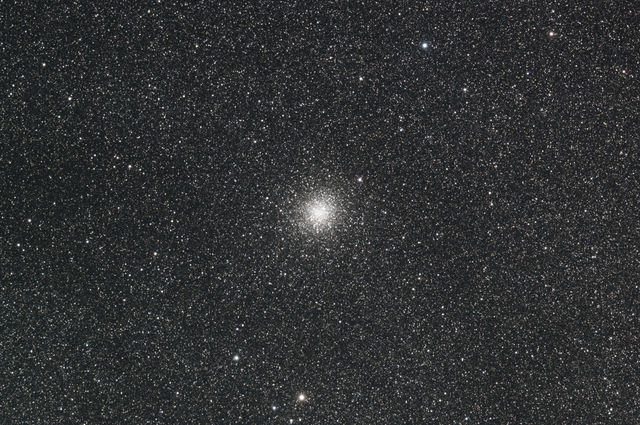
Source: M22 Target: Sagittarius cloud nebula M22 Image centre RA: DEC: Camera: ASI 071MC on Askar 120 Focal Length: 668mm Exposure: stack of 300s x 20 with darks, bias flats.